Drainage systems are one of the most important, yet often overlooked, parts of commercial property infrastructure. Most of the time they operate quietly in the background, carrying wastewater and surface water away without much attention.
However, seasonal weather changes can place significant pressure on drainage systems, particularly across commercial sites where infrastructure is larger and used more frequently.
From heavy rainfall and falling leaves to freezing temperatures and root growth, each season presents different risks for drainage networks. Understanding these seasonal impacts can help facilities managers, property managers and business owners prevent disruption and avoid costly repairs.
For many businesses, combining reactive support with planned preventative drainage maintenance is the most effective way to keep systems operating efficiently all year round.
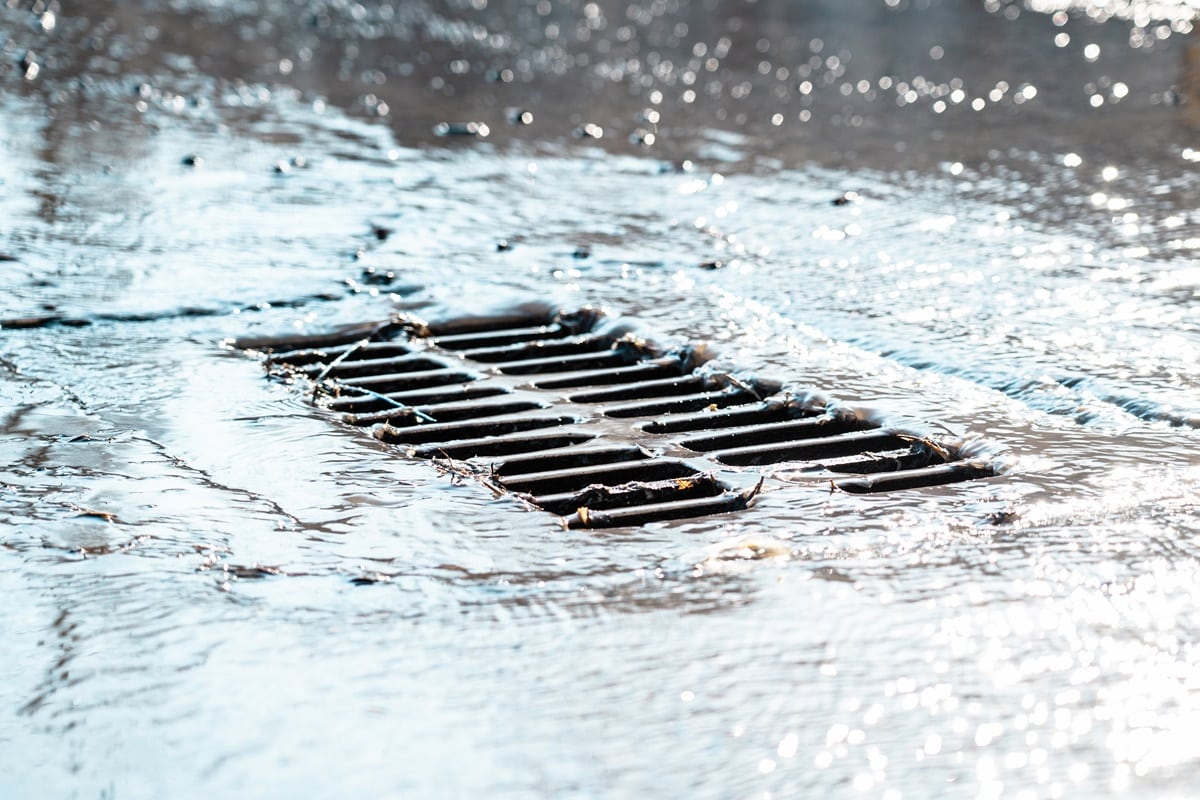
Why Weather Has a Major Impact on Drainage Systems
Drainage networks are designed to handle large volumes of water, but they are still vulnerable to environmental factors.
Weather conditions can affect drainage performance in several ways, including increased water flow, debris accumulation, temperature changes and underground ground movement.
When issues are left unchecked, they can quickly lead to:
• Blocked pipework
• Surface flooding
• Unpleasant odours
• Structural pipe damage
This is why many commercial sites schedule routine inspections and CCTV drainage surveys to assess the condition of their drainage systems and identify potential problems before they escalate.
Spring: Increased Rainfall and Surface Water Pressure
Spring often brings periods of heavy rainfall across the UK, placing extra pressure on commercial drainage systems.
Surface water drains, gutters and downpipes must handle significantly higher water volumes during storms. If these systems contain sediment or debris build-up, water may struggle to flow freely through the network.
This can lead to issues such as:
• Overflowing external drains
• Water pooling near buildings
• Flooded car parks or service yards
• Increased pressure on underground pipework
Spring also marks the start of active root growth. Tree roots naturally seek out moisture sources and can enter even the smallest cracks in underground pipework. Once inside, they continue to grow and gradually restrict water flow.
Many facilities managers rely on preventative drain maintenance services to identify root intrusion early and prevent long-term structural damage to drainage pipes.
Summer: Reduced Flow and Build-Up Inside Pipes
While summer typically brings drier weather, it can create different drainage challenges.
Lower rainfall means there is less natural flushing of drainage systems. Without this natural flow, grease, debris and sediment can accumulate inside pipes over time.
This is particularly common in commercial kitchens, hospitality venues and food preparation environments where grease and food waste enter the drainage system daily.
Without regular cleaning, this build-up can lead to:
• Slow draining sinks and floor drains
• Persistent unpleasant odours
• Increased risk of pipe blockages
Scheduling routine cleaning and high pressure drain jetting during the summer months helps remove debris and maintain consistent water flow throughout the system.
Autumn: Leaves and Debris Blocking External Drains
Autumn is one of the busiest seasons for drainage issues.
Falling leaves, organic debris and increased rainfall combine to create ideal conditions for blocked surface drains.
External drainage channels, gullies and car park drains are particularly vulnerable during this period. Leaves can accumulate quickly and prevent water from draining away efficiently.
For commercial properties with large outdoor areas such as retail parks, office complexes and hospitality venues, this can result in:
• Flooding near entrances
• Slippery pedestrian areas
• Water damage around buildings
Routine inspections and commercial drain unblocking services help remove debris before it causes operational disruption.
Winter: Freezing Temperatures and Pipe Stress
Cold winter temperatures introduce another set of risks for drainage infrastructure.
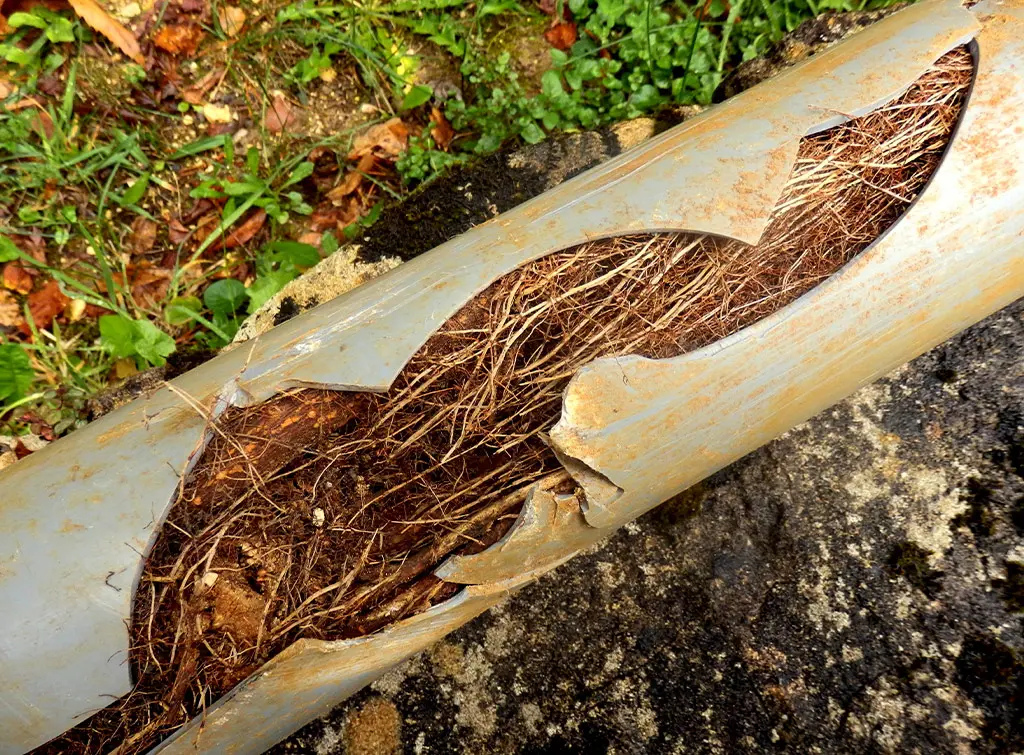
When water freezes inside pipes it expands, placing pressure on pipe walls. Older pipework or weakened joints may crack under this pressure, leading to leaks or structural failure.
Winter drainage issues often include:
• Frozen external drains
• Reduced water flow
• Cracked pipe sections
• Increased emergency call outs
For businesses that rely on uninterrupted operations, drainage failures during winter can cause major disruption.
This is why many organisations combine seasonal inspections with professional drainage repair services to ensure pipework remains structurally sound throughout the colder months.
Why Preventative Drain Maintenance Matters
Many commercial drainage issues linked to seasonal weather can be avoided through preventative maintenance.
Instead of waiting for an emergency to occur, facilities managers can implement planned inspections and cleaning schedules throughout the year.
Preventative maintenance allows engineers to identify early warning signs such as:
• Sediment accumulation
• Tree root intrusion
• Minor pipe damage
• Reduced drainage flow
Addressing these issues early helps prevent expensive repairs and emergency call outs later.
Preventative maintenance services often include:
• High pressure drain jetting
• CCTV drainage inspections
• Root removal
• Pipe condition assessments
• Drain relining and repairs
For commercial properties, this proactive approach reduces operational disruption and supports long-term infrastructure reliability.
Supporting Smooth Business Operations
Drainage problems are more than just an inconvenience, they can impact day-to-day business operations.
Flooding, blocked drains or unpleasant smells can affect staff, customers and visitors, particularly in high traffic environments such as restaurants, office buildings, retail centres and industrial sites.
For example:
Restaurants may face kitchen closures due to blocked grease drains.
Retail businesses may experience flooding near entrances.
Office buildings may encounter drainage issues in communal areas.
Maintaining a reliable drainage system helps businesses maintain safe, efficient environments for employees and customers alike.
Keeping Commercial Drainage Systems Ready All Year
Seasonal weather changes are unavoidable, but many drainage problems can be prevented with proactive planning.
Regular inspections, preventative cleaning and early intervention allow businesses to maintain efficient drainage systems throughout the year.
By investing in routine maintenance, commercial sites can reduce the likelihood of emergency call outs, minimise disruption and protect their infrastructure long-term.
At United Drains, we support commercial clients with reactive call outs, CCTV drainage surveys, preventative maintenance programmes and professional drainage repairs to keep systems operating efficiently across every season.