Drainage issues in commercial properties rarely appear without warning. In most cases, problems such as blockages, flooding or system failures develop gradually below ground, only becoming visible once disruption has already begun.
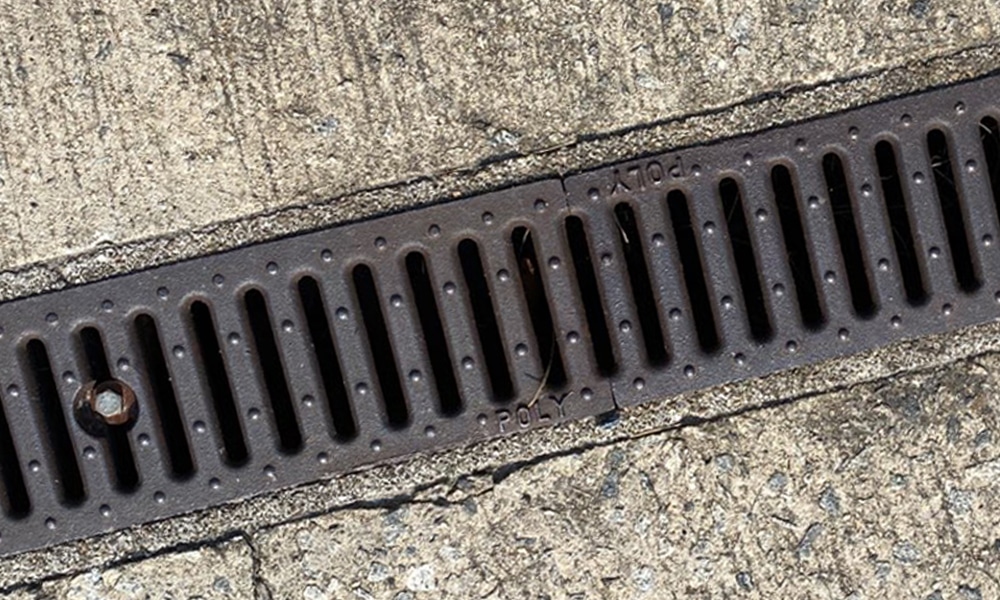
For facilities managers, property managers and estates teams, drainage failures can create more than just inconvenience. They can lead to operational downtime, health and safety risks, tenant complaints and unplanned costs. Understanding the most common drainage issues found on commercial sites , and how they can be prevented, is an essential part of effective property management.
This guide explores the drainage problems most frequently encountered in commercial environments and outlines practical steps that can help reduce risk and minimise disruption.
Blocked Drains Caused by Gradual Build Up
One of the most common drainage issues across commercial properties is blockage caused by gradual build up within the system. Grease, fat, debris, silt and general waste can accumulate over time, restricting flow and increasing pressure within pipework.
Commercial sites often experience higher usage levels than domestic properties, particularly in environments such as retail units, residential developments, industrial sites and mixed-use buildings. Without regular inspection or maintenance, small restrictions can worsen until drainage performance is significantly compromised.
Blocked drains rarely occur suddenly. In many cases, warning signs appear first , slower drainage, unpleasant odours or minor surface water pooling. Identifying and addressing these early indicators can prevent more serious problems later.
Preventative maintenance and periodic inspections allow facilities teams to address build-up before it escalates into full system failure.
Surface Water Flooding After Heavy Rainfall
Surface water flooding is a frequent concern for commercial properties, particularly those with large external areas such as car parks, loading bays and shared access routes. During periods of heavy rainfall, drainage systems may struggle to cope if they are blocked, damaged or operating at reduced capacity.
Flooding can lead to restricted access, slip hazards, water ingress into buildings and potential damage to surrounding infrastructure. For sites with public access or high footfall, these risks are particularly significant.
In many cases, flooding issues are not caused solely by rainfall intensity but by underlying drainage weaknesses that have gone unnoticed. Blocked gullies, collapsed pipework or poorly maintained surface drainage can all contribute to surface water problems.
Understanding how drainage systems perform during seasonal changes helps facilities managers identify vulnerabilities and take preventative action before weather conditions worsen.
Structural Damage and Collapsed Drainage Systems
Over time, commercial drainage systems may experience structural damage due to age, ground movement, heavy traffic or nearby construction activity. Cracked pipes, collapsed sections or displaced joints can restrict flow and cause recurring drainage problems.
Structural issues are often difficult to detect without proper investigation, as they may not present visible symptoms until damage is advanced. Facilities teams may notice repeated blockages or recurring flooding without realising there is an underlying structural fault.
Left unresolved, damaged drainage systems can increase maintenance costs and the frequency of emergency call outs. Early identification allows targeted repairs to be carried out before problems escalate further.
Regular monitoring and professional assessment can help detect these issues early and reduce long term disruption.
Problems Linked to Shared Drainage Systems
Many commercial properties operate with shared drainage systems serving multiple units, tenants or buildings. While shared systems can be efficient, they also present unique challenges when issues arise.
Blockages or misuse in one area of a shared system can affect multiple parties, making it difficult to identify the source of the problem. This can lead to disputes, delays in resolution and uncertainty around responsibility.
Shared drainage systems are particularly vulnerable in residential developments, retail parks and mixed-use properties where usage patterns vary widely. Clear understanding of system layout and condition is essential for effective management.
Routine inspection and monitoring of shared systems help facilities managers maintain clarity and reduce the risk of widespread disruption.
Grease and Waste Management Issues
Grease related blockages are a common issue in commercial environments, particularly where food preparation or catering facilities are present. Fat, oil and grease can solidify within pipework, leading to restrictions and eventual blockages.
Even sites without kitchens may be affected if shared systems connect multiple tenants with different usage patterns. Without appropriate waste management practices, grease build-up can become a persistent problem.
Preventative measures, including regular inspections and appropriate waste disposal practices, play a key role in reducing grease related drainage failures.
The Role of Preventative Drainage Management
Preventative drainage management allows facilities managers to move away from reactive problem solving and towards a more controlled, proactive approach. Rather than responding to emergencies, facilities teams gain visibility over system condition and performance.
Regular inspections, monitoring and maintenance help identify developing issues early, reducing the likelihood of unexpected failures. This proactive approach supports better budget planning, improved site safety and reduced disruption for tenants and staff.
Preventative drainage management is not about over-maintaining systems. It is about understanding risk, prioritising action and maintaining confidence that drainage infrastructure can support day-to-day operations.
Why Early Intervention Matters
Addressing drainage issues early offers several key benefits for commercial properties:
• Reduced emergency call outs and reactive costs
• Lower risk of operational downtime
• Improved health and safety compliance
• Greater confidence during periods of heavy rainfall or high usage
By identifying issues before they escalate, facilities managers can protect both budgets and site operations more effectively.
Supporting Commercial Sites with Experience and Expertise
Managing drainage across commercial properties requires experience, insight and an understanding of complex systems. Larger networks, shared infrastructure and high usage levels all add to the challenge.
United Drains works with facilities managers, property professionals and estates teams to support drainage reliability across a wide range of commercial environments. By combining professional assessment with preventative planning, commercial sites can reduce risk and maintain operational continuity.
Drainage issues in commercial properties are often preventable with the right level of awareness and planning. Understanding common risks , from blockages and flooding to structural damage and shared system challenges , allows facilities managers to take control before problems arise.
Preventative drainage management helps reduce disruption, improve safety and protect long-term site performance. By addressing drainage proactively, commercial properties are better equipped to handle both everyday usage and unexpected challenges.