When people think about commercial drainage systems, they often picture underground pipework, CCTV surveys or emergency call-outs after a blockage has already occurred. However, one of the most important parts of any drainage network is also one of the most frequently overlooked: the drainage gully.
Whether positioned in a car park, loading bay, service yard, access road or around the perimeter of a commercial building, gullies work continuously to collect surface water and direct it safely into the underground drainage system.
Because they sit quietly at ground level, it is easy to forget that they are there. Unfortunately, failing to maintain them can contribute to flooding, restricted access, property damage and expensive reactive maintenance.
Understanding why regular commercial gully cleaning matters can help businesses protect their premises, reduce operational disruption and avoid unnecessary costs.
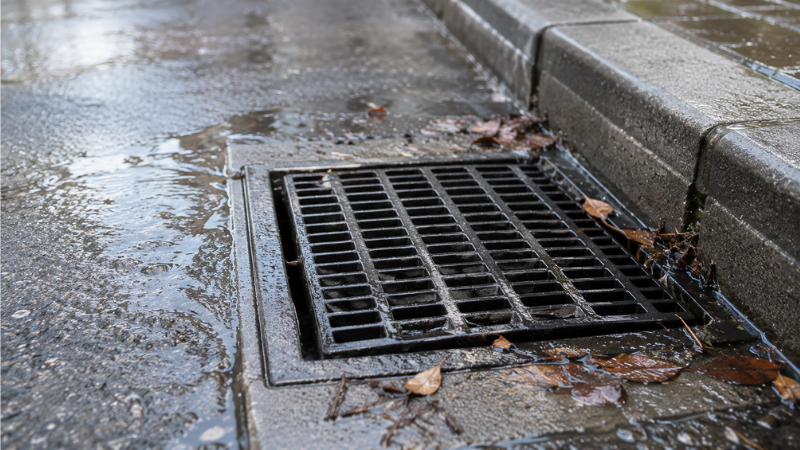
What Is a Drainage Gully?
A drainage gully is designed to collect rainwater and surface water before directing it into the underground drainage network. It provides an essential connection between external surfaces and the wider system of pipes responsible for carrying water safely away from a property.
Commercial drainage gullies are commonly found around:
- Office buildings
- Hotels and hospitality venues
- Retail parks
- Industrial estates
- Schools and educational facilities
- Hospitals and healthcare sites
- Distribution centres
- Warehouses
- Car parks
- Loading bays and service yards
Unlike internal drainage systems, external gullies are exposed to weather, traffic and everyday commercial activity. They may regularly collect leaves, gravel, litter, moss, soil, silt and other debris.
Although a small amount of debris may not immediately affect performance, material can gradually settle inside the gully and connected pipework. As the available space reduces, water begins to drain more slowly and the risk of surface flooding increases.
Why Summer Is Not Always the Quiet Season
Many businesses associate drainage problems with autumn leaves, winter storms and prolonged periods of heavy rain. However, summer can create its own set of challenges for commercial surface water drainage systems.
During extended periods of dry weather, dust, grit, leaves and litter can settle inside gullies without being washed through the system. Construction activity can introduce soil and aggregates, while busy outdoor dining areas, events and heavily used car parks may generate additional waste.
When heavy rainfall eventually arrives, this accumulated material can be washed into the gullies all at once. Instead of flowing freely into the underground drainage network, water may begin backing up across external areas.
This is one reason some businesses experience localised flooding during the first major rainfall following a long dry period. The rain may reveal a restriction that has been developing unnoticed for weeks or months.
The Hidden Costs of Blocked Gullies
When surface water cannot drain efficiently, the consequences can extend far beyond the affected gully.
Commercial properties may experience:
- Flooded entrances and reception areas
- Unsafe or slippery pedestrian routes
- Restricted vehicle access
- Flooding within car parks and loading bays
- Damage to landscaping and external surfaces
- Water entering buildings
- Customer complaints
- Operational downtime
- Unplanned emergency call-outs
For hotels, restaurants and retail businesses, even relatively minor flooding can negatively affect the customer experience. An entrance surrounded by standing water can create a poor first impression and make access more difficult.
For industrial facilities, warehouses and distribution centres, standing water may interfere with deliveries, vehicle movements and health and safety arrangements. The cost of disruption can therefore become much greater than the cost of maintaining the drainage system itself.
Why Regular Gully Cleaning Makes Commercial Sense
Unlike emergency repairs, professional gully cleaning can be scheduled around the requirements of the site. It is planned, predictable and designed to remove accumulated material before it develops into a more serious restriction.
Routine gully cleaning can provide several benefits:
- Improved surface water drainage
- Reduced risk of localised flooding
- Safer external areas for staff and visitors
- Improved appearance around the property
- Fewer unexpected drainage call-outs
- Earlier identification of damaged infrastructure
- More predictable maintenance costs
Many commercial organisations include gully cleaning within a wider planned preventative maintenance programme. This allows external gullies, channels and connected drainage systems to be inspected and maintained at suitable intervals rather than waiting for flooding to reveal an underlying issue.
The appropriate maintenance frequency will depend on the site. A heavily landscaped hotel, busy retail park or industrial yard may require more frequent attention than a smaller office property with limited external drainage.
Signs That Commercial Gullies Need Attention
There are several warning signs that may indicate restricted or poorly performing gullies.
These include:
- Water pooling after rainfall
- Visible leaves, litter or silt around gully grates
- Surface water draining more slowly than usual
- Vegetation or moss growing around drainage points
- Unpleasant odours coming from external gullies
- Water repeatedly collecting in the same location
- Overflowing gullies during moderate rainfall
- Standing water remaining long after the rain has stopped
Even when the water eventually disappears, slow drainage may indicate that the available capacity within the gully or connected pipework has already been reduced.
Addressing these signs early can prevent a relatively straightforward cleaning requirement from developing into a disruptive drainage emergency.
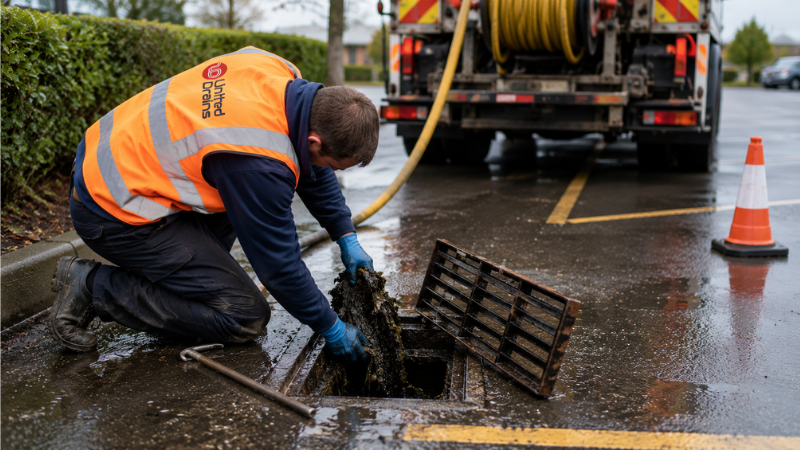
What Happens During Professional Gully Cleaning?
Professional drainage engineers first assess the condition of the gully and the surrounding area. This helps determine the type and extent of the build-up and whether the connected drainage system may also require attention.
Depending on the site and the condition of the system, commercial gully cleaning may involve:
- Removing leaves, litter and solid debris
- Extracting silt and standing waste
- Cleaning the gully pot
- Flushing connected drainage pipes
- Checking that water flows freely after cleaning
- Inspecting the gully for visible damage
Where stubborn debris or deposits have accumulated inside the connected pipework, high-pressure water jetting can be used to break down material, clean the internal pipe surfaces and restore water flow.
Sites with significant quantities of silt, liquid waste or flood water may require specialist tanker services. Vacuum tankers can remove collected waste efficiently before it is transported and handled through the appropriate disposal process.
Professional cleaning also gives engineers an opportunity to identify damaged grates, cracked gully pots, displaced connections or other defects that might otherwise remain unnoticed.
Gully Cleaning and Flood Prevention
No drainage system can eliminate every possible flooding risk, particularly during exceptional weather. However, a clear and properly maintained surface water system is much better equipped to manage rainfall than one restricted by silt and debris.
Regular cleaning helps preserve the available drainage capacity and reduces the likelihood of water collecting around vulnerable areas such as entrances, loading bays and low points within car parks.
Commercial property owners should also consider how water moves across the wider site. A clean gully cannot perform effectively if surrounding surfaces prevent water from reaching it or if downstream pipework is damaged or restricted.
The UK Government’s guidance on flood risk and coastal change provides further information about considering and managing flood risk within planning and property decisions.
Which Commercial Sites Benefit Most From Regular Gully Cleaning?
Any property containing significant areas of hard standing or external surface water drainage can benefit from planned gully maintenance.
Regular cleaning is particularly valuable for:
- Hotels and hospitality venues with busy entrances and car parks
- Retail parks with large external customer areas
- Industrial facilities and manufacturing sites
- Distribution centres and warehouses
- Schools, colleges and universities
- Hospitals and healthcare facilities
- Construction sites
- Office developments
- Residential developments with shared external areas
- Sites surrounded by trees or landscaped grounds
Properties located near trees may experience increased leaf fall, while industrial and construction sites may generate higher levels of silt, grit and debris. Maintenance schedules should therefore reflect the conditions and usage of each individual property.
Why Reactive Cleaning Can Cost More
Waiting until a gully has completely stopped working often creates additional costs. Emergency attendance may be required, access may need to be restricted and flood water may have to be removed before cleaning can begin.
There may also be secondary consequences, including damage to flooring, stock, equipment or landscaped areas. Staff may need to redirect vehicles and pedestrians while the affected area is made safe.
Planned maintenance allows work to be scheduled during quieter periods, reducing disruption and helping businesses maintain greater control over costs.
Protecting Your Property Before Heavy Rain Arrives
Surface water drainage is one of the easiest areas of commercial property maintenance to overlook, yet it plays a vital role in protecting buildings, staff, visitors and daily operations.
Rather than waiting for flooding to reveal a hidden restriction, regular commercial gully cleaning gives businesses the opportunity to remove accumulated debris, identify defects and maintain effective water flow throughout the year.
United Drains provides commercial gully cleaning, planned preventative maintenance, high-pressure water jetting, tanker support and drainage inspections for businesses across London and the South East.
Businesses concerned about standing water, slow-draining gullies or recurring external flooding can contact the United Drains team to discuss the condition of their site and arrange an appropriate drainage solution.