When people think about drainage problems, they often picture blocked sinks, overflowing gullies or heavy rainfall. However, one of the most common causes of long-term drainage damage is something growing quietly beneath the surface – tree roots.
For commercial properties surrounded by landscaped areas, car parks, office grounds, hotels, schools and retail parks, tree roots can become a significant issue without anyone realising until serious damage has already occurred.
Unlike many drainage problems that develop over weeks or months, root intrusion can continue for years before obvious symptoms appear. By the time recurring blockages or slow drainage become noticeable, roots may already have entered joints, cracked pipework or caused structural damage requiring repair.
Understanding how tree roots affect underground drainage systems can help property managers take preventative action before costly disruption occurs.
Why Do Tree Roots Grow Towards Drains?
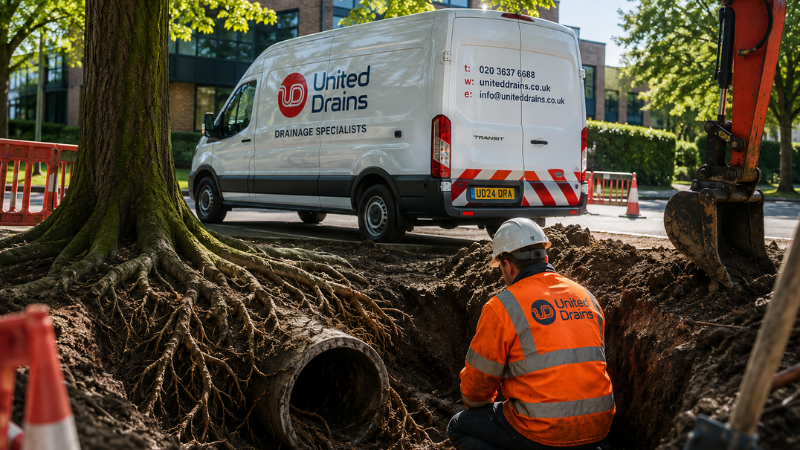
Contrary to popular belief, tree roots are not actively searching for drains. Instead, they naturally grow towards sources of moisture and nutrients.
Older drainage systems, particularly those with small cracks, displaced joints or ageing pipework, can release tiny amounts of water into the surrounding soil. These damp areas become attractive to nearby root systems.
Once the smallest root enters a pipe, it continues growing inside where moisture is constantly available. Over time, what starts as a fine root can develop into a dense network capable of trapping debris, restricting flow and damaging the pipe itself.
If recurring drainage problems begin to appear, arranging a professional CCTV Drain Survey can help identify root intrusion before more extensive repairs become necessary.
Which Commercial Sites Are Most at Risk?
Root intrusion can affect almost any commercial property, but certain environments are particularly susceptible.
- Hotels and hospitality venues with landscaped gardens
- Office parks surrounded by mature trees
- Schools and universities
- Healthcare facilities
- Retail parks
- Business estates
- Residential developments
- Historic buildings with ageing drainage infrastructure
Even trees located several metres away from drainage systems can eventually affect underground pipework.
Early Warning Signs of Root Intrusion
Tree root damage rarely causes immediate failure. Instead, businesses often notice gradual changes over time.
- Recurring blockages in the same location
- Slow draining sinks or gullies
- Localised flooding after rainfall
- Gurgling sounds within the drainage system
- Persistent unpleasant odours
- Repeated emergency drainage call outs
- Overflowing external drains
Many organisations simply continue clearing these symptoms without identifying the underlying cause, allowing the problem to worsen beneath the surface.
Why Clearing the Blockage Isn’t Always Enough
High pressure water jetting is extremely effective at restoring water flow and removing root masses from inside pipework. However, unless the damaged section of pipe is repaired, roots will usually return.
Professional High Pressure Water Jetting removes the immediate obstruction, but long-term success depends on identifying exactly where roots have entered the drainage system.
This is why experienced drainage engineers focus on diagnosing the root cause rather than simply treating the symptoms.
The Importance of CCTV Drainage Surveys
Modern CCTV drainage surveys allow engineers to inspect underground pipework without unnecessary excavation.
Specialist cameras travel through the drainage network, providing detailed footage of:
- Tree root intrusion
- Cracked or fractured pipework
- Displaced joints
- Pipe deformation
- Structural defects
- Build-up of debris
- Existing blockages
This information allows repairs to be accurately planned, reducing unnecessary disruption and helping businesses manage maintenance budgets more effectively.
Repair Options Following Root Damage
The most suitable repair depends upon the condition of the drainage system.
Root Removal
Where damage is minimal, specialist cutting equipment can remove roots and restore normal flow.
Drain Lining
If the pipe remains structurally sound, drain lining can seal entry points without excavation.
Excavation and Drain Repairs
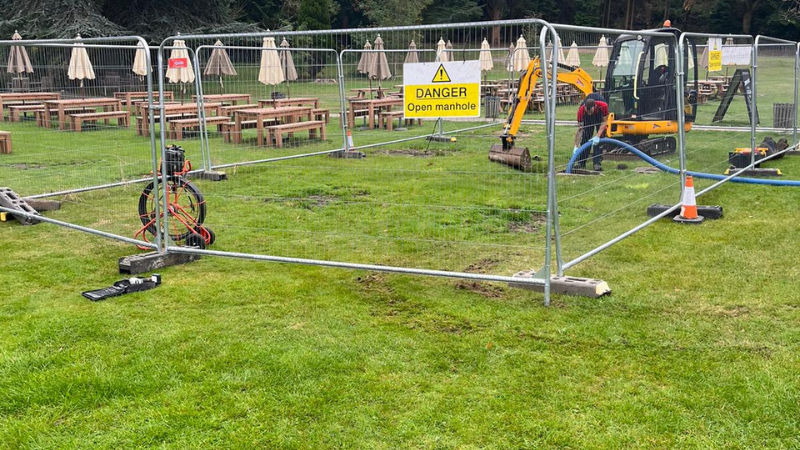
Where significant structural damage has occurred, professional Drain Excavation & Repairs allow damaged sections of pipework to be replaced safely and permanently.
Selecting the correct solution requires an accurate diagnosis rather than assumptions.
How to Reduce the Risk of Future Problems
Although tree roots cannot always be prevented, commercial property owners can reduce the likelihood of serious damage through proactive maintenance.
- Schedule regular drainage inspections
- Arrange CCTV surveys where recurring issues occur
- Implement preventative maintenance programmes
- Monitor mature trees located close to drainage infrastructure
- Investigate repeat blockages rather than continually clearing them
Routine inspections often identify developing issues before they become emergency repairs, helping businesses avoid disruption, unexpected costs and operational downtime.
Protecting Your Commercial Drainage System
Tree roots are one of the most overlooked causes of commercial drainage problems because the damage develops slowly and remains hidden underground.
Recognising the early warning signs and investigating recurring issues properly allows businesses to protect their drainage infrastructure, minimise repair costs and reduce operational disruption.
At United Drains, we provide professional CCTV Drain Surveys, High Pressure Water Jetting, Drain Excavation & Repairs and Planned Preventative Maintenance for commercial properties throughout London and the South East.
If you’re experiencing recurring drainage issues or would like greater confidence in the condition of your drainage infrastructure, contact the United Drains team today to discuss your requirements.
Further Reading
For additional guidance on protecting underground water and drainage infrastructure, visit the Water UK website.