Drainage systems are one of the most overlooked assets within commercial properties. While heating, lighting and structural maintenance often sit high on facilities management priorities, drainage infrastructure typically receives attention only when something goes wrong.
However, ignoring early drainage issues can lead to far greater consequences than a simple blockage or call-out. From operational disruption to reputational damage, the hidden costs of neglected drainage systems can impact commercial sites in ways many organisations don’t initially anticipate.
Understanding these risks allows facilities managers and property professionals to take a more proactive approach, protecting both budgets and business continuity.
Operational Disruption and Downtime
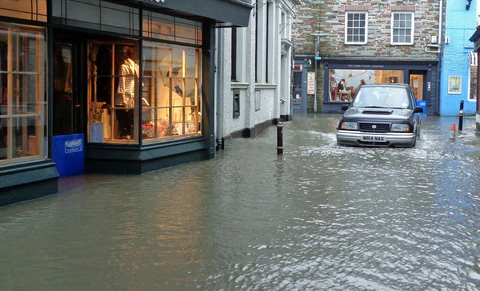
One of the most immediate impacts of drainage failure is operational disruption. Commercial properties rely on functional infrastructure to operate smoothly, whether that’s retail sites welcoming customers, offices supporting employees, or hospitality venues serving guests.
When drainage systems fail, the knock-on effects can include restricted access to buildings, unusable facilities, or temporary closures. Surface water flooding, sewage backups or blocked waste systems can create environments that are unsafe or non-compliant.
Even short periods of disruption can affect productivity, revenue and customer experience. For high-footfall sites, the impact is often felt almost immediately.
Health and Safety Risks
Drainage issues don’t just create inconvenience, they can introduce serious health and safety risks.
Standing water increases slip hazards, particularly in external areas such as car parks, loading bays and walkways. In internal environments, blocked waste systems or backups can create hygiene concerns and unpleasant working conditions.
For facilities managers, these risks extend beyond immediate site safety. Failure to manage drainage-related hazards can have compliance implications, particularly in sectors where cleanliness and operational standards are closely regulated.
Proactively maintaining drainage infrastructure helps reduce these risks before they escalate into reportable incidents.
Structural and Infrastructure Damage
Water, when not properly managed, can cause long term structural damage to commercial properties. Persistent flooding or drainage failures may lead to water ingress, foundation weakening or damage to surrounding surfaces and landscaping.
Over time, this can increase maintenance costs well beyond the drainage system itself. Repairs to paving, flooring, building exteriors or internal structures often exceed the cost of resolving the original drainage issue.
By addressing problems early, facilities teams can prevent water from impacting the wider built environment.
Reputational Impact on Commercial Sites
For customer facing businesses, drainage failures can quickly affect reputation. Flooded entrances, unpleasant odours or visible waste backups create negative first impressions for visitors, clients and tenants.
Hospitality venues, retail centres and managed developments are particularly sensitive to these issues, where customer experience plays a direct role in revenue and retention.
While drainage systems operate out of sight, their failure is often highly visible, and memorable, to those using the space.
Recurring Emergency Costs
Reactive drainage management is often far more expensive than preventative planning. Emergency call outs, urgent repairs and unplanned investigations typically carry higher costs than scheduled maintenance or inspections.
When issues are repeatedly addressed at surface level, for example, clearing blockages without investigating root causes, sites may find themselves facing recurring failures and escalating spend.
A more strategic approach, incorporating surveys and preventative maintenance, helps facilities managers manage costs more predictably over time.
The Challenge of Shared Drainage Systems
Many commercial properties operate with shared drainage infrastructure serving multiple tenants or units. When problems occur, identifying responsibility and root cause can become complex.
Shared systems may suffer from inconsistent usage, misuse or lack of coordinated maintenance. Without proper oversight, issues can develop unnoticed until they begin affecting multiple occupants.
Understanding the layout and condition of shared drainage networks is essential for avoiding disputes and maintaining site harmony.
The Role of Preventative Drainage Management
Preventative drainage management provides facilities teams with visibility and control over systems that are otherwise hidden from view. Through regular inspections, monitoring and maintenance, commercial sites can identify risks before they escalate.
This approach allows organisations to:
• Reduce emergency incidents
• Protect operational continuity
• Manage maintenance budgets more effectively
• Improve long term infrastructure performance
Rather than responding to failures, facilities managers can plan interventions at the most practical and cost effective times.
Supporting Commercial Sites with Professional Drainage Expertise
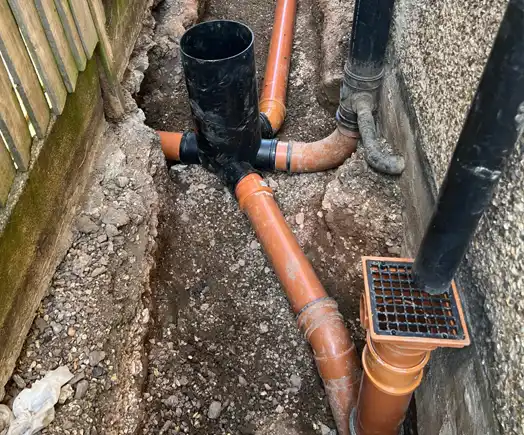
United Drains supports commercial properties with a range of drainage services designed to reduce risk and maintain system reliability.
From CCTV drainage surveys that provide visibility below ground, to planned maintenance and repair work, the focus is on helping facilities managers make informed decisions about their infrastructure.
By combining reactive response with proactive planning, commercial sites are better equipped to manage drainage performance throughout the year.
Drainage systems may operate out of sight, but their impact on commercial properties is significant. Ignoring early warning signs can lead to operational disruption, health and safety risks, reputational damage and escalating maintenance costs.
By recognising the hidden costs associated with neglected drainage infrastructure, facilities managers can take a more strategic approach , one that prioritises prevention, visibility and long term reliability.
Proactive drainage management doesn’t just protect pipework. It protects the people, operations and reputations that depend on it every day.